
Understanding Brake Pads and Brake Shoes: Key Components of Your Vehicle’s Safety
When it comes to vehicle maintenance, few components are as crucial to safety as the braking system. The ability to stop your vehicle promptly and reliably depends on the condition of the brake pads and brake shoes. These components work by creating friction against rotating parts, whether it’s a brake rotor or brake drum, and this friction is what brings your car to a halt. Despite their importance, brake pads and brake shoes often go unnoticed until something goes wrong. In this post, we’ll take a closer look at what these components are, how to spot potential issues, and why regular maintenance is essential for both your safety and the longevity of your vehicle.
What Are Brake Pads and Brake Shoes?
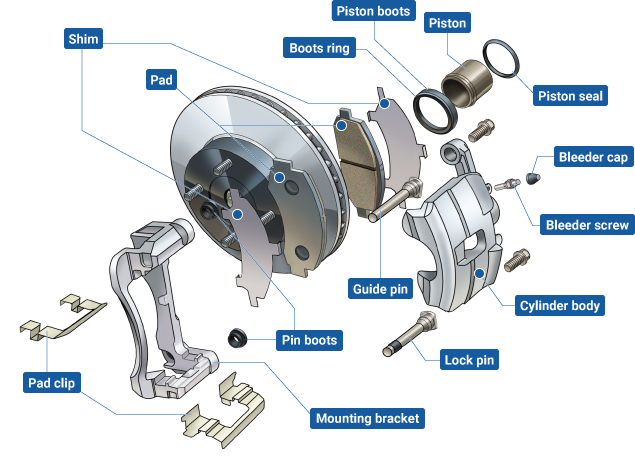
To begin with, brake pads and brake shoes are both friction materials that work to slow down your vehicle, designed for different types of braking systems. Brake pads are flat, rectangular components that press against a brake rotor (a large, flat metal disc) when you apply the brakes. The friction created by this contact slows the rotation of the wheel and, ultimately, stops the vehicle.
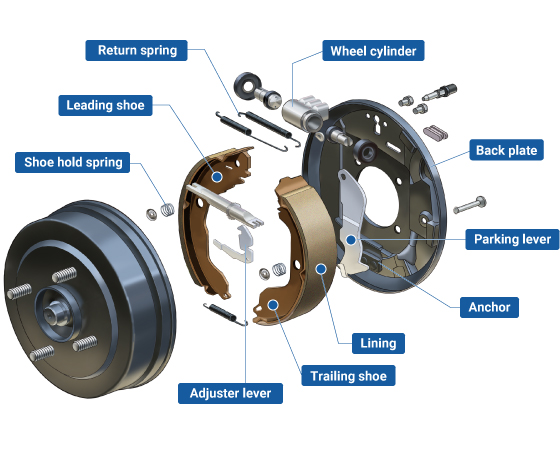
On the other hand, drum brake systems use the brakeshoes, which are more common in older cars or on the rear wheels of most modern vehicles. Unlike the flat, disc-shaped rotors in disc brake systems, drum brakes use a round, hollow drum that spins with the wheel. The brake shoes are curved and expand outward to press against the inside of the drum when the driver applies brakes. This friction also slows the vehicle.
Both components are essential for the braking process, but they differ in their design, material, and maintenance needs. Brake pads typically contain semi-metallic, ceramic, or organic materials, while brake shoes usually contain a lined friction material, including compounds like asbestos in older models or modern synthetic materials.
Why Brake Pads and Brake Shoes Are Important
Your braking system’s effectiveness relies on the performance of the brake pads and brake shoes. If either component wears down, it can reduce braking power and increase the distance needed to stop your car, potentially dangerous in an emergency situation. Over time, the friction material on both brake pads and brake shoes wears down from constant use, warranting replacement.
One of the key reasons brake pads and shoes are important is because of their role in heat dissipation. Braking generates a significant amount of heat. In disc brake systems, the brake pads are able to dissipate this heat relatively quickly thanks to the open design of the rotor. In drum brake systems, the heat can be more difficult to manage, making proper maintenance of the brake shoes even more critical to prevent overheating.
How to Detect Brake Pad and Brake Shoe Failure
Knowing how to detect brake pad or brake shoe failure can save you from costly repairs and, more importantly, keep you safe on the road. Some common signs that indicate your brake pads or brake shoes may need attention include:
- Squeaking or Squealing Noises: If you hear high-pitched squeaks or squeals when you apply the brakes, it’s often a sign of worn out brake pads needing replacement. Most brake pads have built-in wear indicators that create a noise to signal the driver that the pads are nearing the end of their lifespan.
- Grinding Noises: If you hear a metal-on-metal grinding sound, it means the brake pads have worn down completely, and the metal backing is grinding against the brake rotor. This is a serious issue that can cause further damage to your braking system.
- Pulling to One Side: If the car pulls to one side when you apply the brakes, it may indicate that one of the brake pads or shoes is wearing unevenly, or there may be an issue with the brake fluid or brake calipers. A qualified professional should ensure your braking system balances and functions properly.
- Vibrations or Pulsing in the Brake Pedal: If you feel vibrations or pulsing through the brake pedal when braking, this could mean warping of the brake rotor, often due to overheating. This can happen if the brake pads or shoes are worn and have not been replaced on time.
- Reduced Braking Performance: If your vehicle takes longer to stop than usual or if the braking feels less responsive, may indicate signs of brake pad or brake shoe wear. It’s crucial to have them inspected as soon as possible to prevent further damage.
When Should You Check Your Brake Pads and Brake Shoes?
It’s essential to perform regular brake maintenance to keep your vehicle operating safely. Most manufacturers recommend checking your brake pads every 10,000 to 15,000 miles, though this can vary depending on driving habits, the type of brake system, and the make and model of your vehicle. Ideally, the technician should check the brake pads and brake lining during every service.
In addition to checking your brake pads at regular intervals, it’s also important to listen for any unusual noises, such as squealing or grinding, that might indicate a problem. If you notice any of the signs mentioned earlier, don’t wait to have your brakes inspected. Ignoring these issues can lead to more significant problems down the road, such as damaged rotors or an inability to stop the vehicle in time during an emergency.
If you’re unsure when to have your brakes checked, it’s always a good idea to err on the side of caution. Many auto repair shops offer free brake inspections, which can give you peace of mind and prevent small issues from becoming costly repairs.
Conclusion
Brake pads and shoes are integral components of your vehicle’s braking system. They play a vital role in stopping your car safely, and it’s essential to keep them in good condition. Regular inspections, prompt replacement when needed, and listening for any signs of trouble can ensure that your vehicle’s braking system continues to perform at its best. A well-maintained braking system isn’t just about keeping your car in good working order — it’s about ensuring the safety of you, your passengers, and everyone on the road. So, make brake maintenance a priority and keep those wheels safely stopping when it matters most.
Get yourself some high quality brake pads and brake lining at Natial Drive.
Popular Post
Tips to consider when buying/purchasing a vehicle
Buying a vehicle is a significant decision that re...
Brake Pads and Brake Shoes Maintenance
Understanding Brake Pads and Brake Shoes: Key Comp...

Countries with Right-Hand Drive Vehicles: Global List
The braking system of a vehicle is an important sa...
Custom shift knobs | Can you handle one in your ride?
The braking system of a vehicle is an important sa...
Leave a Comment