History of Right-Hand Wheel Drive Steering Systems
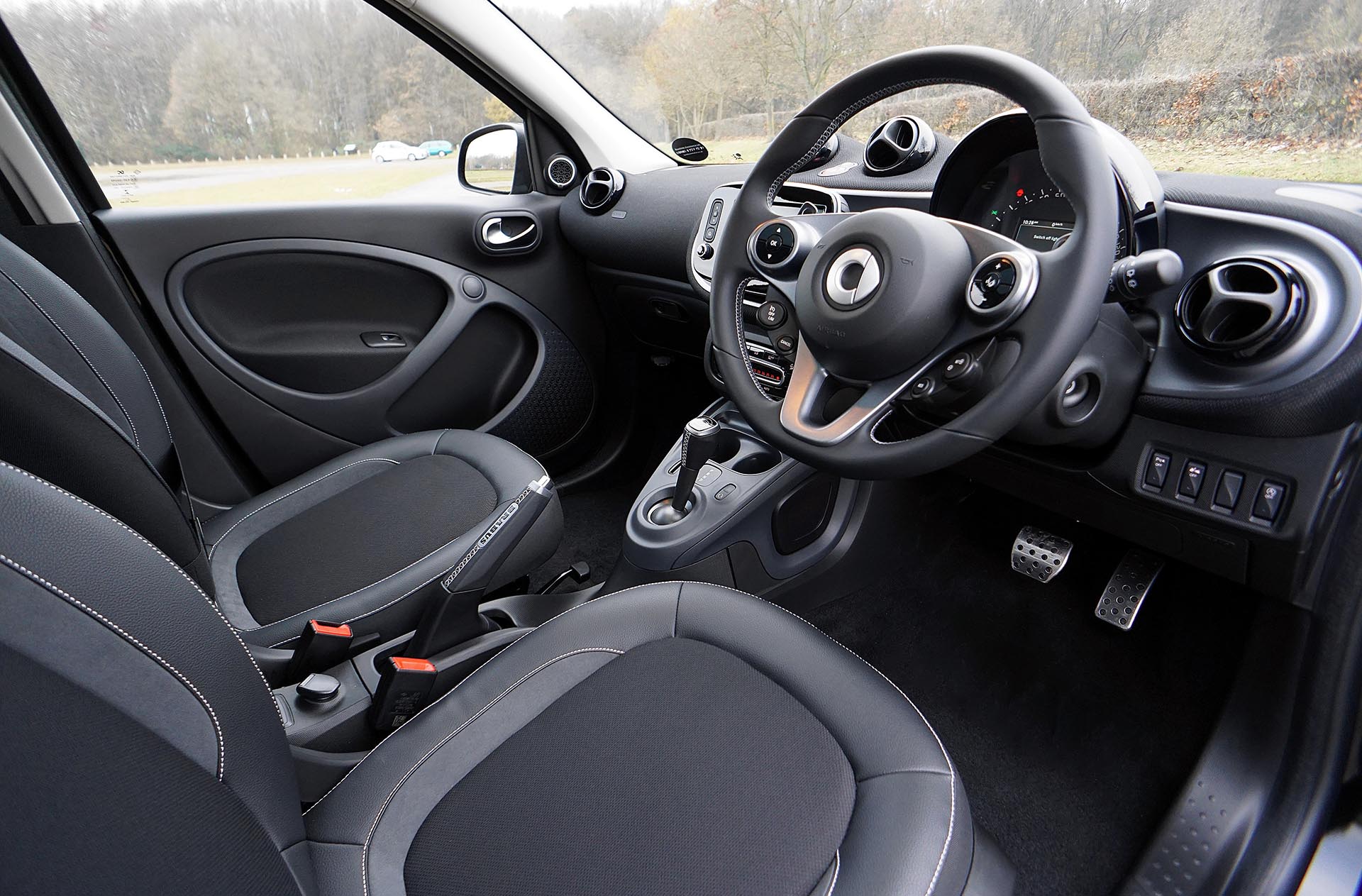
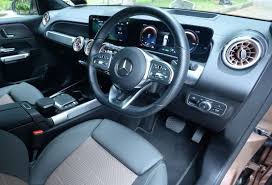
The history of right-hand drive (RHD) steering systems, where the driver sits on the right side of the vehicle, has its origins in the early days of automobile manufacturing. It is closely tied to the historical development of driving customs, traffic laws, and vehicle design. Here’s an overview of how right-hand drive steering came to be:
Early Carriages and Horse-Drawn Vehicles
The tradition of right-hand driving is believed to have started long before cars were invented. In many parts of the world, people travelled in horse-drawn vehicles, and the side of the road they travelled on was often determined by practical reasons tied to the use of horses. Roman roads were designed for vehicles to pass each other on the left side, which left more space for soldiers carrying swords to be mounted on the right side of the horse (the dominant hand for most people). When people travelled by horse-drawn carriages, the driver would often sit on the right side of the vehicle so they could control the horses with their dominant (usually right) hand and maintain a better view of traffic. This practice became common in the 18th and 19th centuries, particularly in Europe.
The Evolution of Automobiles
When motorized vehicles began to appear in the late 19th and early 20th centuries, many of the early cars were designed similarly to horse-drawn carriages, with the driver sitting on the right side. The earliest motorized vehicles, such as those built by pioneers like Karl Benz, did not have a standardized configuration for where the driver sat. Some vehicles were built with the driver on the left, while others were on the right, depending on the manufacturer or the country.
Standardization and the Rise of Left-Hand Traffic (LHT)
As automobiles became more common, standardization became necessary for safety and traffic efficiency. In the UK, the custom of driving on the left side of the road (LHT) continued from the days of horse-drawn carriages. As cars were introduced, it made sense for the driver to sit on the right side of the car, as this allowed for better visibility when overtaking other vehicles on the left side of the road. In contrast, countries like France, which adopted driving on the right side of the road (RHT), began to design cars with the driver sitting on the left. This configuration allowed for safer overtaking and easier interaction with oncoming traffic.
Automotive Innovation and Mass Production
In the early 20th century, as mass production techniques like those introduced by Henry Ford became widespread, automakers started to design cars with a more standardized layout. For countries with RHT, cars were generally built with left-hand drive (LHD), and for countries with LHT, cars were designed with right-hand drive (RHD). The Ford Model T, produced from 1908 to 1927, is often credited with popularizing left-hand drive cars, especially in the United States, which had adopted driving on the right side of the road.
Global Spread of RHD and LHD Vehicles
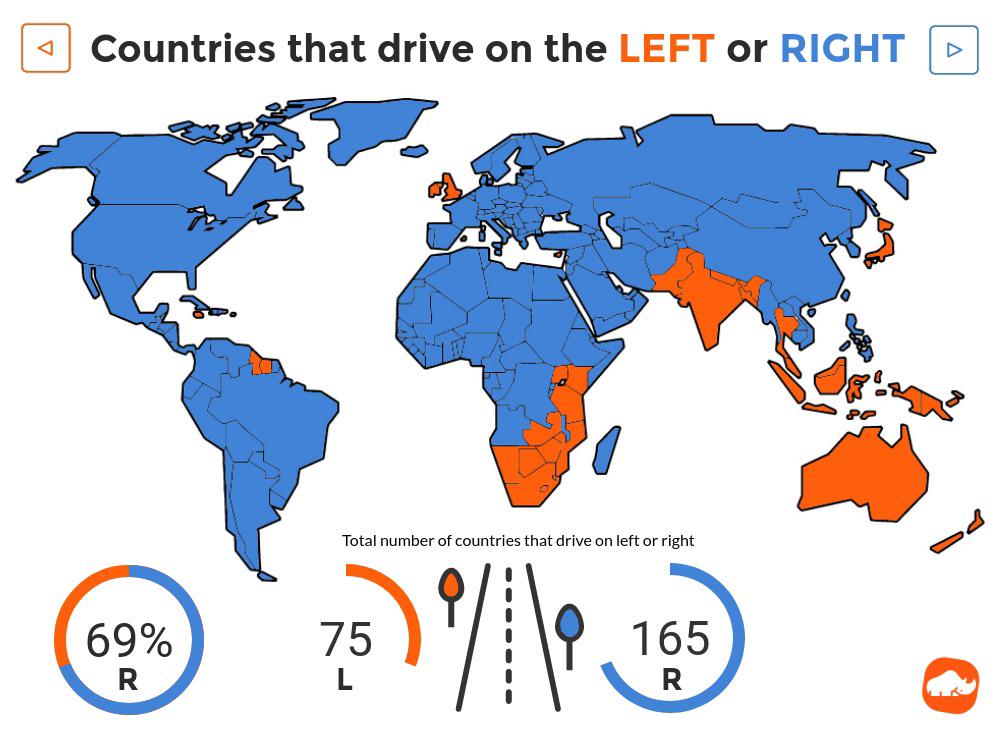
By the mid-20th century, the world had largely split into two categories based on driving direction: RHD countries (where driving is on the left side of the road) and LHD countries (where driving is on the right). The UK, Australia, Japan, India, and several other countries with historical British ties use RHD vehicles. In these countries, driving on the left side of the road meant that vehicles had to be designed with the steering wheel on the right. Most European countries, the United States, and much of the rest of the world adopted RHT and LHD vehicles.
Modern Day
Today, the world is still divided between RHD and LHD countries. The design of vehicles for each market remains separate, though some manufacturers, like Toyota and Honda, produce models for both configurations. Modern RHD vehicles are particularly important in countries like Japan, where they account for the vast majority of cars on the road.
TLDR;
Early Origins: The custom of right-hand driving dates back to ancient Roman times and horse-drawn vehicles, where the driver would sit on the right side to have better control.
Standardization: The distinction between RHD and LHD vehicles became clear as countries standardized road laws in the early 20th century.
Global Influence: British influence played a significant role in the widespread adoption of RHD in many parts of the world, while other countries adopted LHD due to historical reasons or road safety considerations.
In the modern world, RHD is primarily found in former British colonies and some other regions where driving on the left side of the road is the norm, while LHD is the standard for most of the world.



Leave a Comment